About Sudan
Sudan country located in northeastern Africa. The name Sudan derives from the Arabic expression bilād al-sūdān (“land of the blacks”), by which medieval Arab geographers referred to the settled African countries that began at the southern edge of the Sahara. For more than a century, Sudan—first as a colonial holding, then as an independent country—included its neighbour South Sudan, home to many sub-Saharan African ethnic groups. Prior to the secession of the south in 2011, Sudan was the largest African country, with an area that represented more than 8 percent of the African continent and almost 2 percent of the world’s total land area.
Since ancient times the Sudan region has been an arena for interaction between the cultural traditions of Africa and those of the Mediterranean world. Islam and the Arabic language achieved ascendancy in many northern parts of the region, while older African languages and cultures predominated in the south.
The country became independent in 1956 and has had numerous changes in government since then. Successive regimes found it difficult to win general acceptance from the diverse political constituencies. An early conflict arose between those northern leaders who hoped to impose unity upon the nation through the vigorous extension of Islamic law and culture to all parts of the country and those who opposed this policy; the latter included the majority of southerners and those northerners who favoured a secular government.
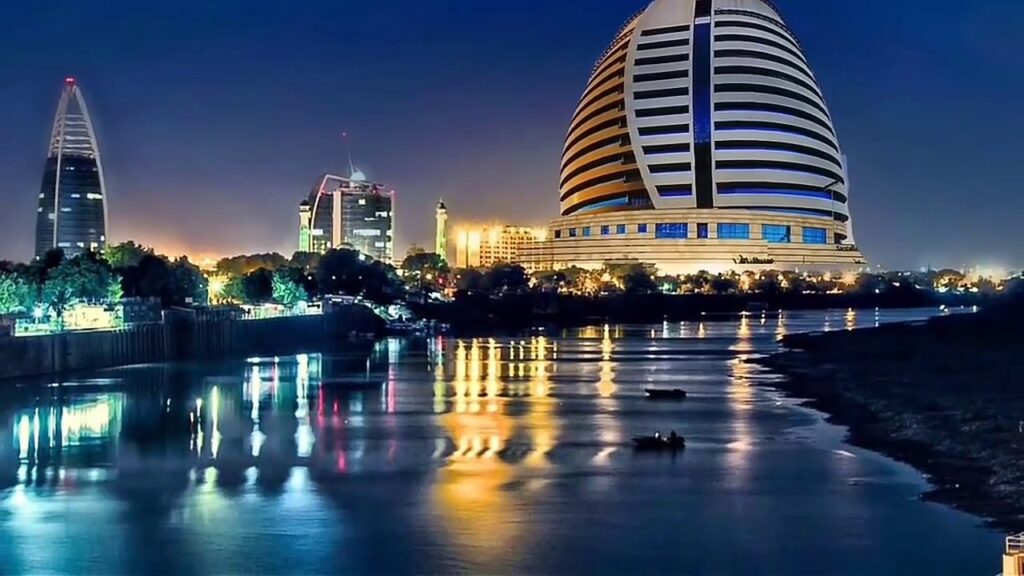
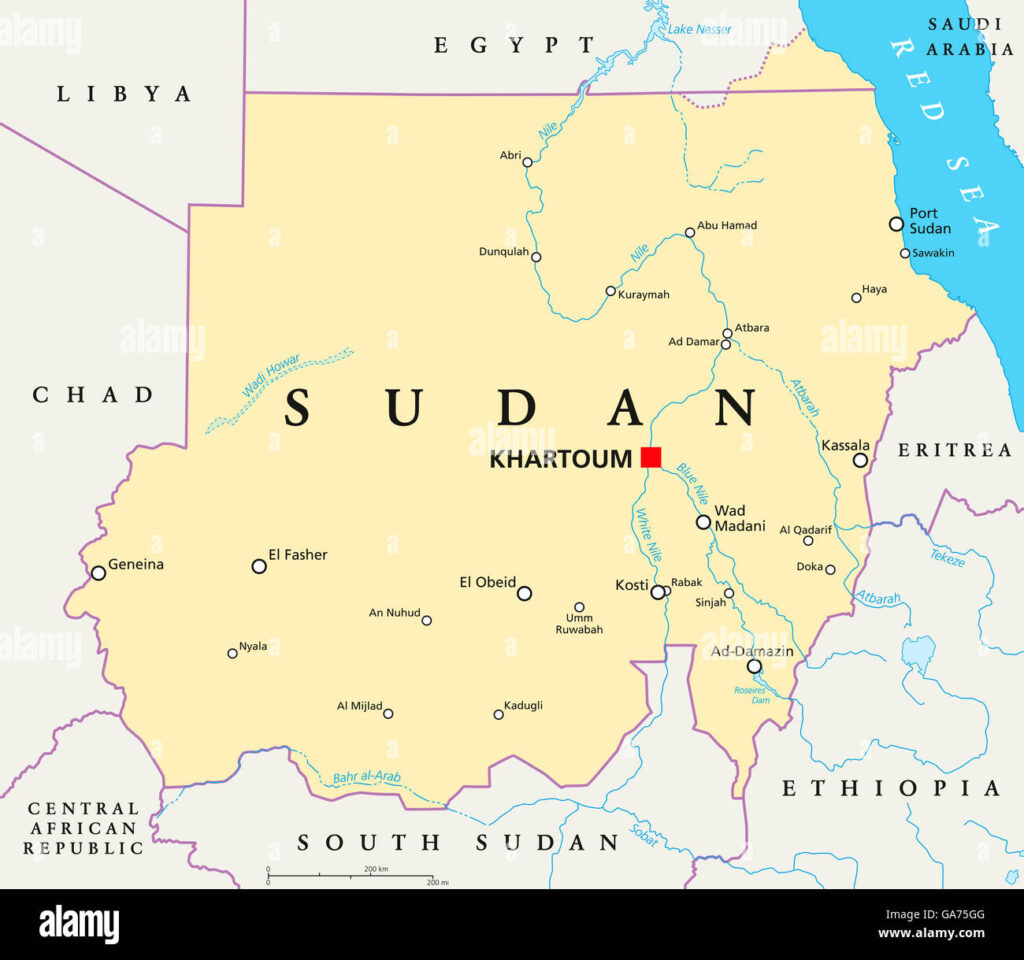
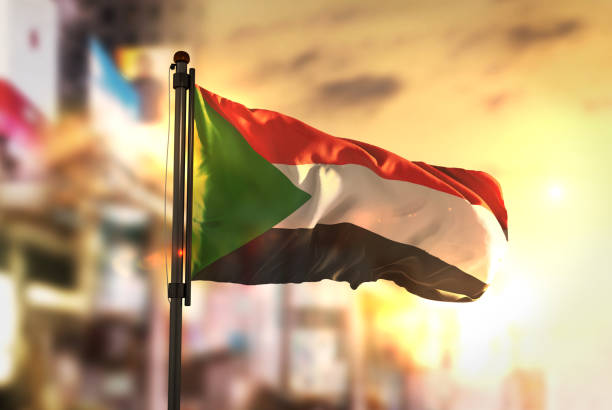
From 1955 until 1972 there prevailed a costly and divisive civil war, fought largely in the south but punctuated by violent incidents in the north. The Addis Ababa Agreement of 1972 ended the conflict only temporarily, and in 1983 the civil war resumed. By this time the comparative lack of economic development in the south had become a new source of regional grievance, and northern leaders’ continuing attempts to Islamize the Sudanese legal system proved an even more potent source of discord. Attempts to end the civil war included numerous discussions, cease-fires, and agreements but yielded very little success until 2005, when the Comprehensive Peace Agreement ended the warfare. It also granted southern Sudan semiautonomous status and stipulated that a referendum on independence for the south would be held in six years. The results of the vote, held in January 2011, were overwhelmingly in favour of independence, and South Sudan was declared an independent country on July 9, 2011. Sudan’s capital, Khartoum, is located roughly in the centre of the country, at the junction of the Blue Nile and White Nile rivers. It is part of the largest urban area in Sudan and is a centre of commerce as well as of government. Sudan has a tropical climate. Summer temperatures often exceed 43.3 degrees Celsius (110 degrees Fahrenheit) in the desert zones, and rainfall is negligible. Dust storms frequently occur in desert zone. High temperatures also occur in the south throughout the central plains region, but the humidity is generally low
Climate:
Sudan has a tropical climate. Summer temperatures often exceed 43.3 degrees Celsius (110 degrees Fahrenheit) in the desert zones, and rainfall is negligible. Dust storms frequently occur in desert zone. High temperatures also occur in the south throughout the central plains region, but the humidity is generally low .
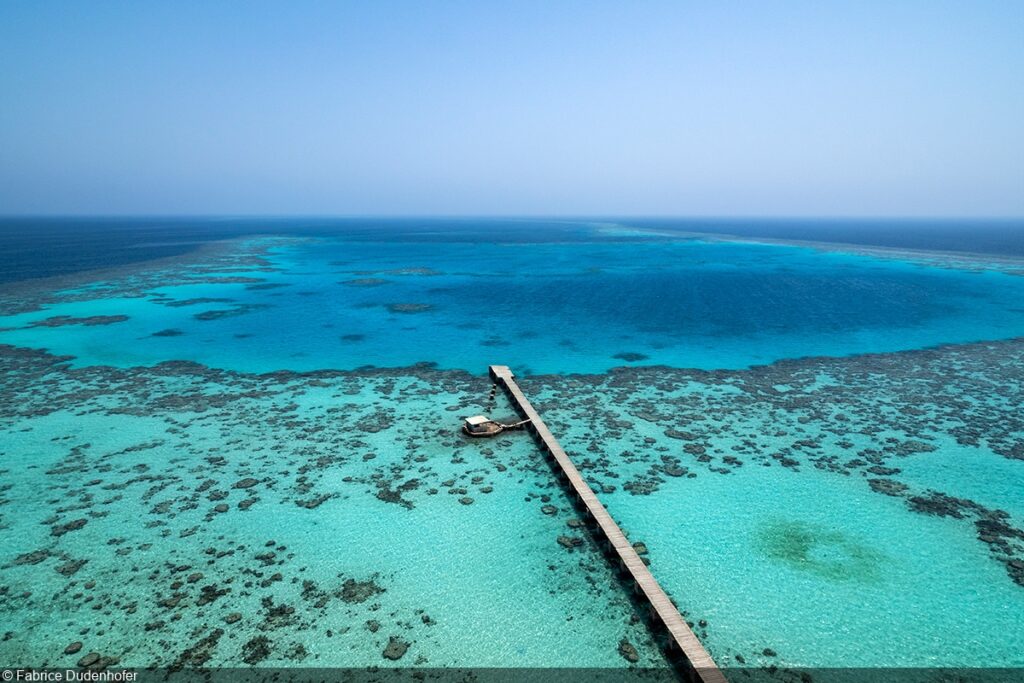
Climate in the northen state:
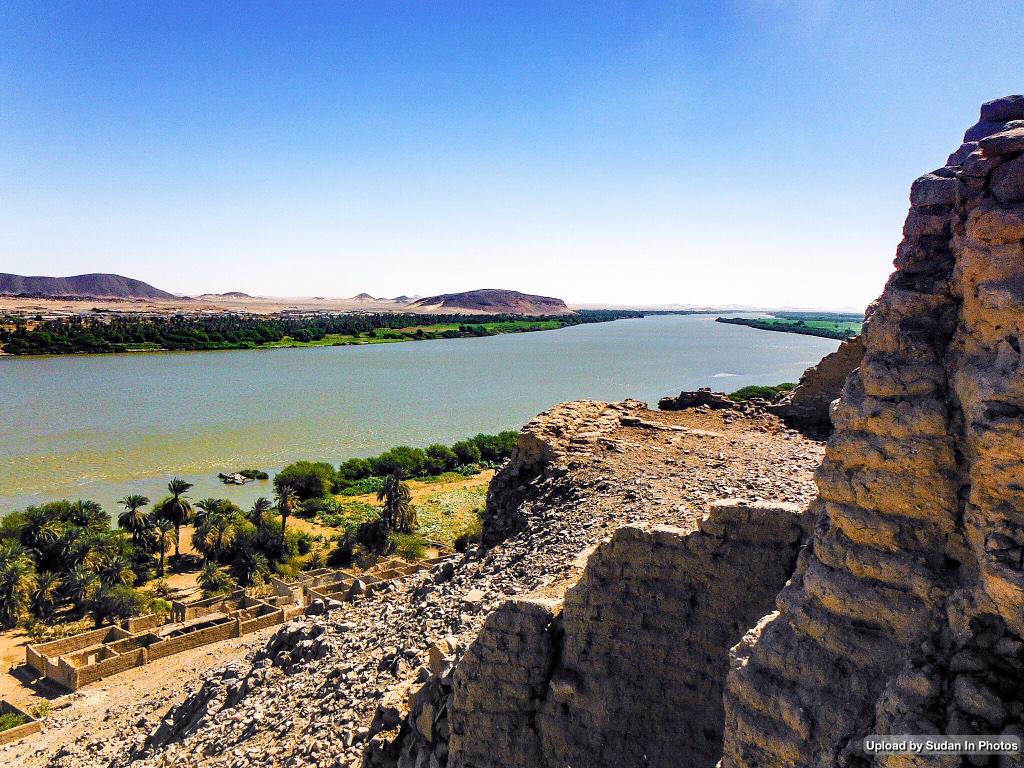
In the north, occupied by a portion of the Saharan desert (whose part located to the east of the Nile is called Nubian Desert, while the western part is called Libyan Desert), the climate is desert, and in particular, the northernmost area, near the border with Egypt, is one of the driest and sunniest in the world. The Nubian desert is particularly desolate, devoid of oasis and therefore of settlements, of course, apart from the banks of the Nile, where the remains of the ancient Egyptian and Nubian civilizations are found, as well as more recent settlements. In winter, temperatures are pleasantly warm during the day and cool at night, even cold at times, especially in the far north, where it can occasionally drop to around freezing (0 °C or 32 °F). The rest of the year is definitely hot, with highs around 40 °C (104 °F) from May to September, but with records of 50/52 °C (122/126 °F). Wind can raise sandstorms at any time of the year. Since ancient times the Sudan region has been an arena for interaction between the cultural traditions of Africa and those of the Mediterranean world. Islam and the Arabic language achieved ascendancy in many northern parts of the region, while older African languages and cultures predominated in the south.
Language:
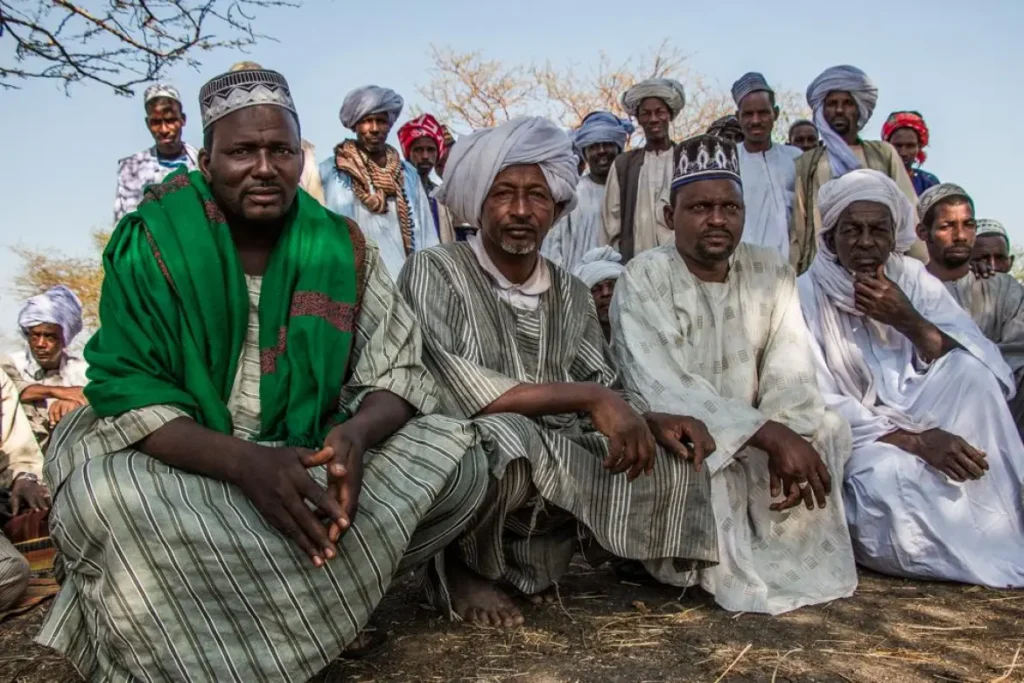
In Sudan there are 600 different ethnic groups who speak more than 400 languages and dialects. The official and most common language is Arabic.
SOCIAL CLASS :-
class is generally related to tribal origin and membership in a particular ethnic group. This is important in Sudanese culture especially with respect to marriage. Cross- marriage between some tribal and ethnic groups is not socially acceptable because some groups consider themselves superior to others. This is also reflected in daily life since certain ethnic groups tend to dominate particular jobs. Within a given ethnic group there are three socio-economic classes: high, middle, and low. Class largely determines the places people live and with whom they socialize.
RELIGIOUS PRACTICES & BELIEFS :-
The two main religions in Sudan are Islam and Christianity. Islam is predominant in the North whereas Christianity is the most common among the people of the South. Islam insists that the relationship between a person and God should be direct. No intercessors can be between an individual and God. In Islam, females are not allowed to show any part of their body in the presence of males except for face, hands, and feet. The exceptions to this rule are husband, father, brother, and uncle. It is cultural that a female be seen or attended to by a female provider. Most women from Sudan feel uncomfortable with male service providers.